Winter Ecology Program
Bringing environmental education to
New York City middle schools
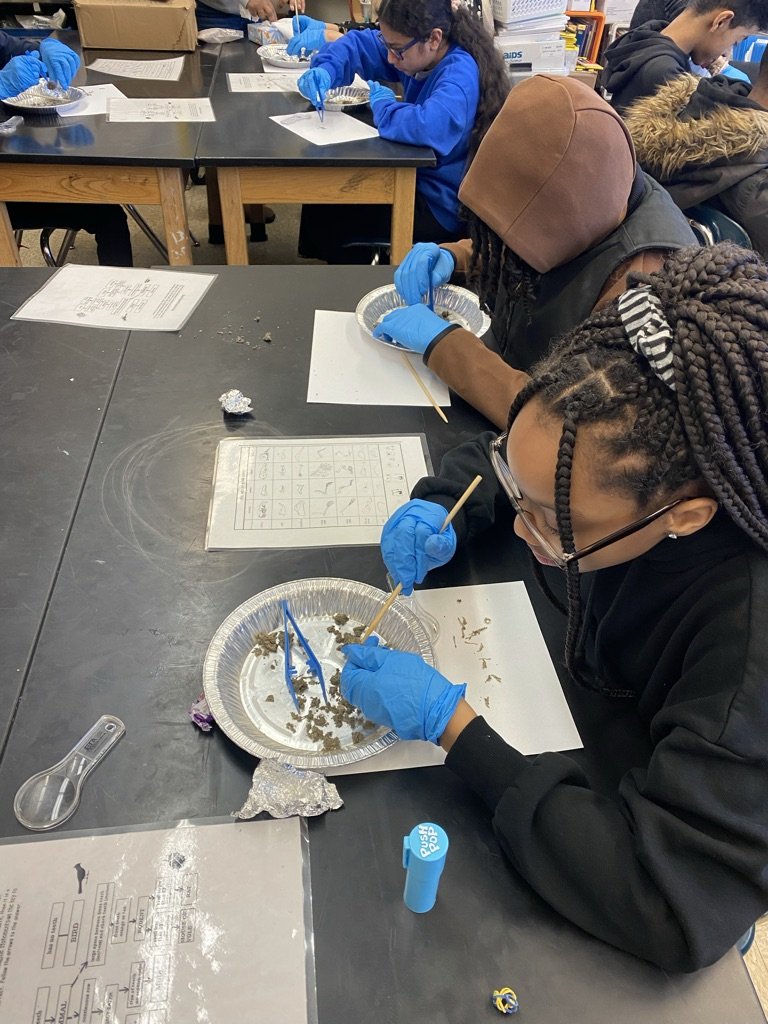
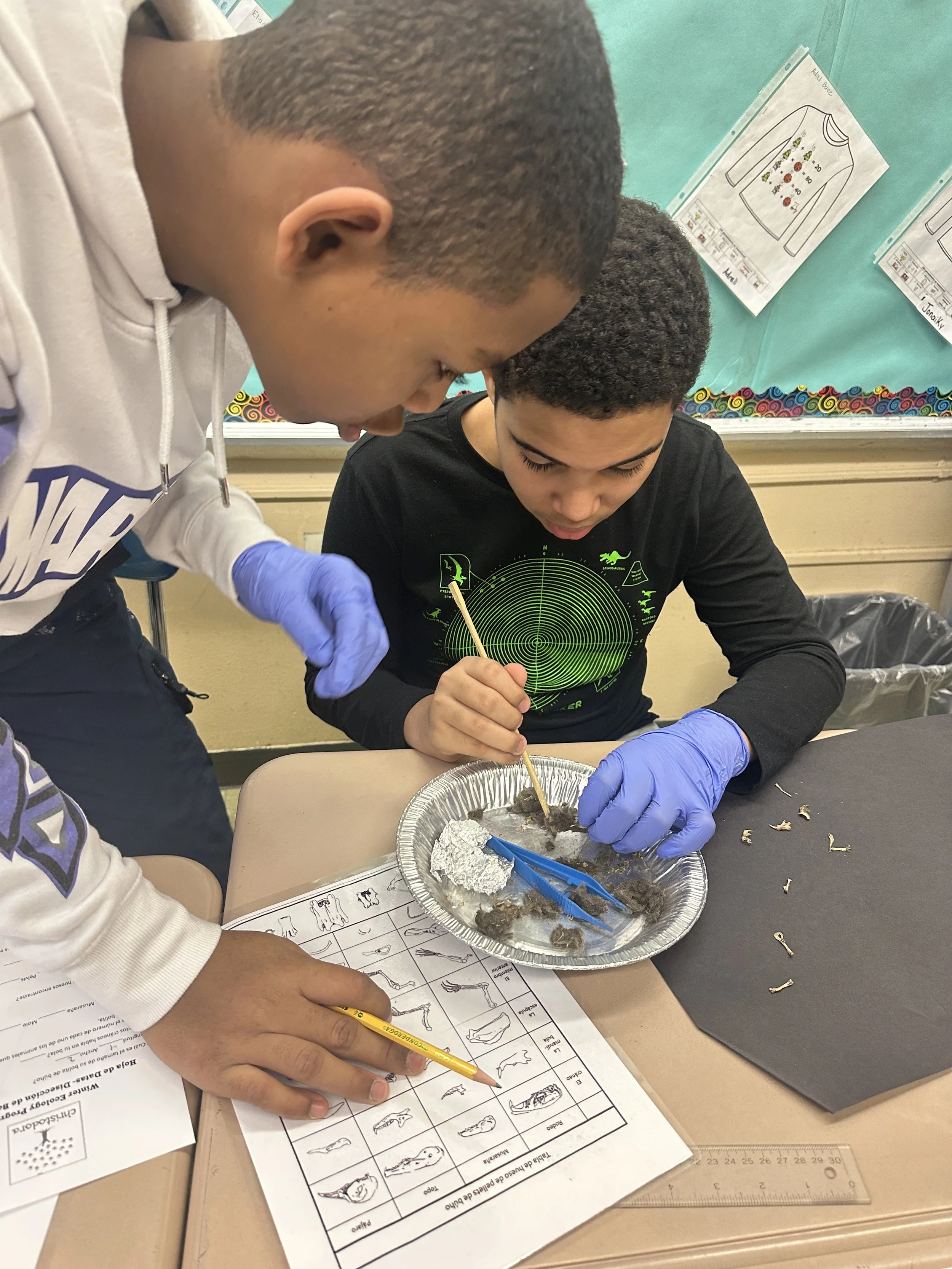
Christodora’s Winter Ecology Program (WEP) is an experientially driven and inquiry-based science program that takes place over the course of seven weeks in NYC middle schools! We seek to bolster awareness about the nature and ecology of New York City while making science engaging, relevant, and fun!
Program Design Elements
The program has two sessions– a winter semester (Dec. to Jan.) and spring semester (Feb. to Mar.), pick your preference!
The program occurs one day per week for seven consecutive weeks on the same weekday.
Up to 6 classes can be taught a day
The program takes place inside of middle-school classrooms, no labs needed!
Educators bring in all lesson materials.
Lessons are co-taught by environmental educators.
Highly subsidized fee so that the program is affordable for middle school partners
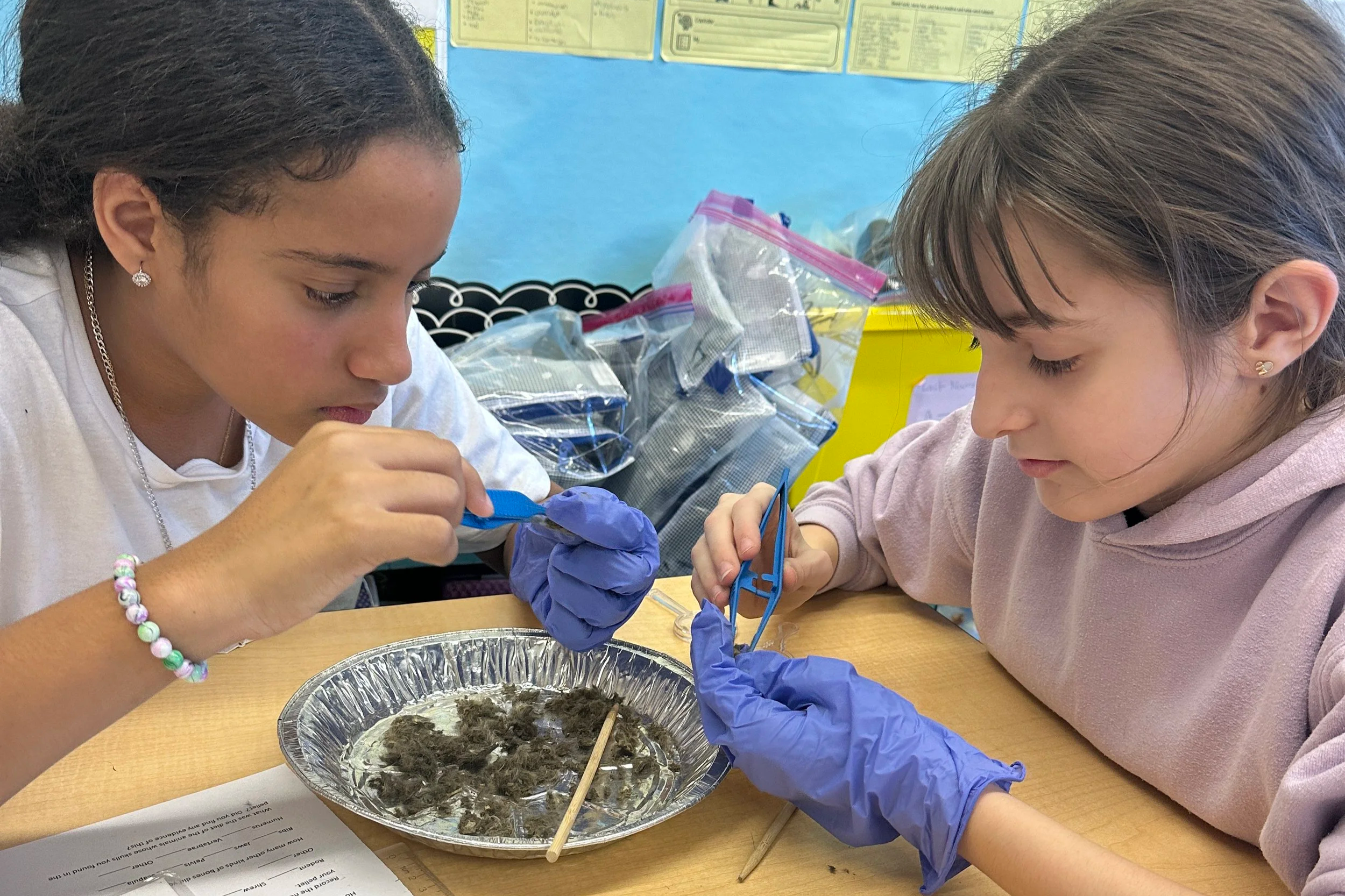
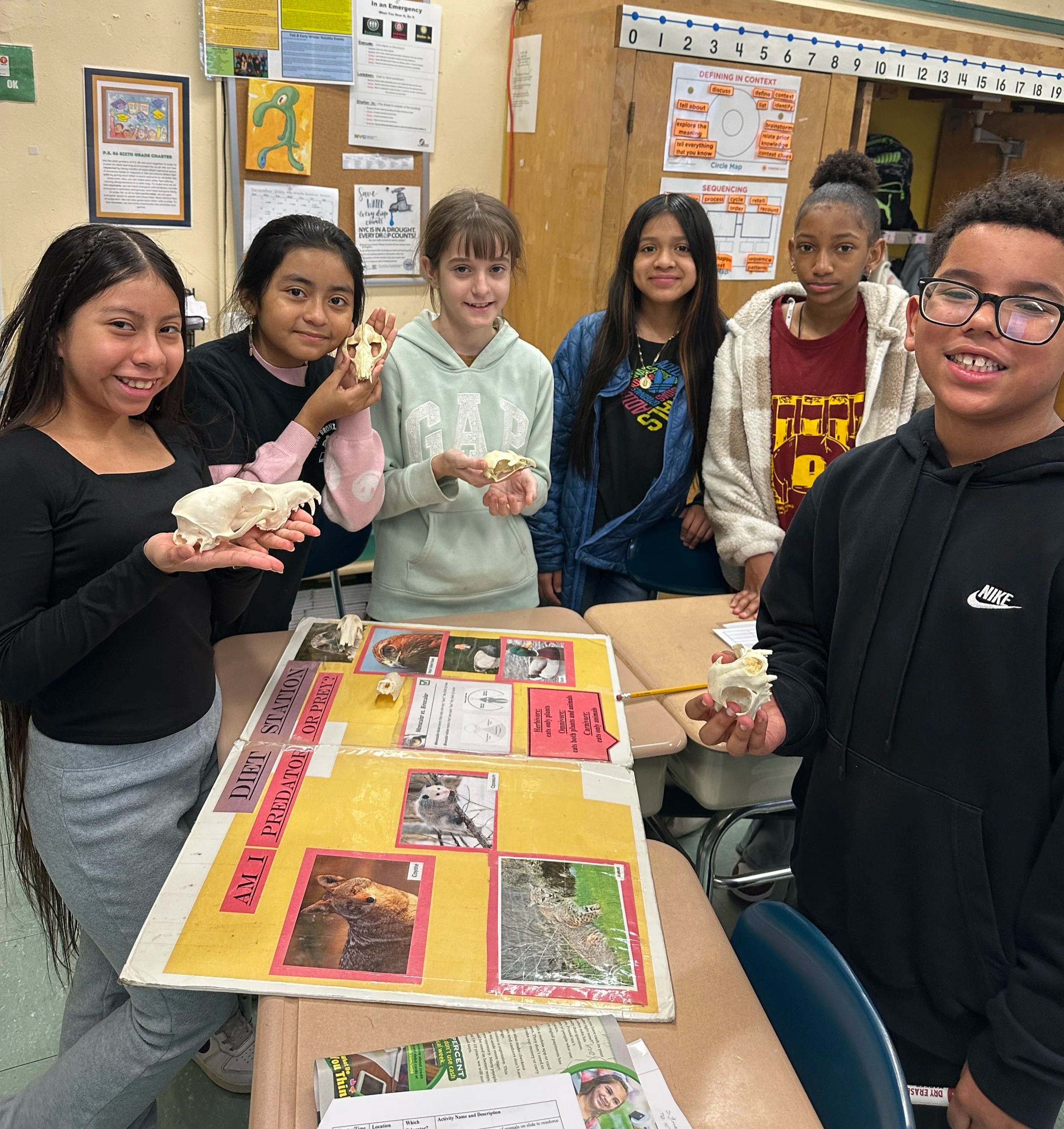
Christodora’s Winter Ecology Program provides school partners with five curriculum tracks, from which they select one. All lessons are aligned with Common Core, Next Generation Science Standards, and NYS Scope and Sequence.
The Earth Systems: Water Track, is among our most popular and comprises five core lessons. In this track, students explore multiple topics related to water such as the hydrologic cycle, point-source and non-point source pollutants, and water conservation. We broaden students' understanding of these topics by making them relatable, relevant, and grounded in place-based learning. This curriculum track aims to deepen student knowledge of the role water plays in shaping life on Earth and inspire them to conserve water.
Below is an overview of each of the five lessons:
-
![]()
Water I: Water is Both Abundant and Rare
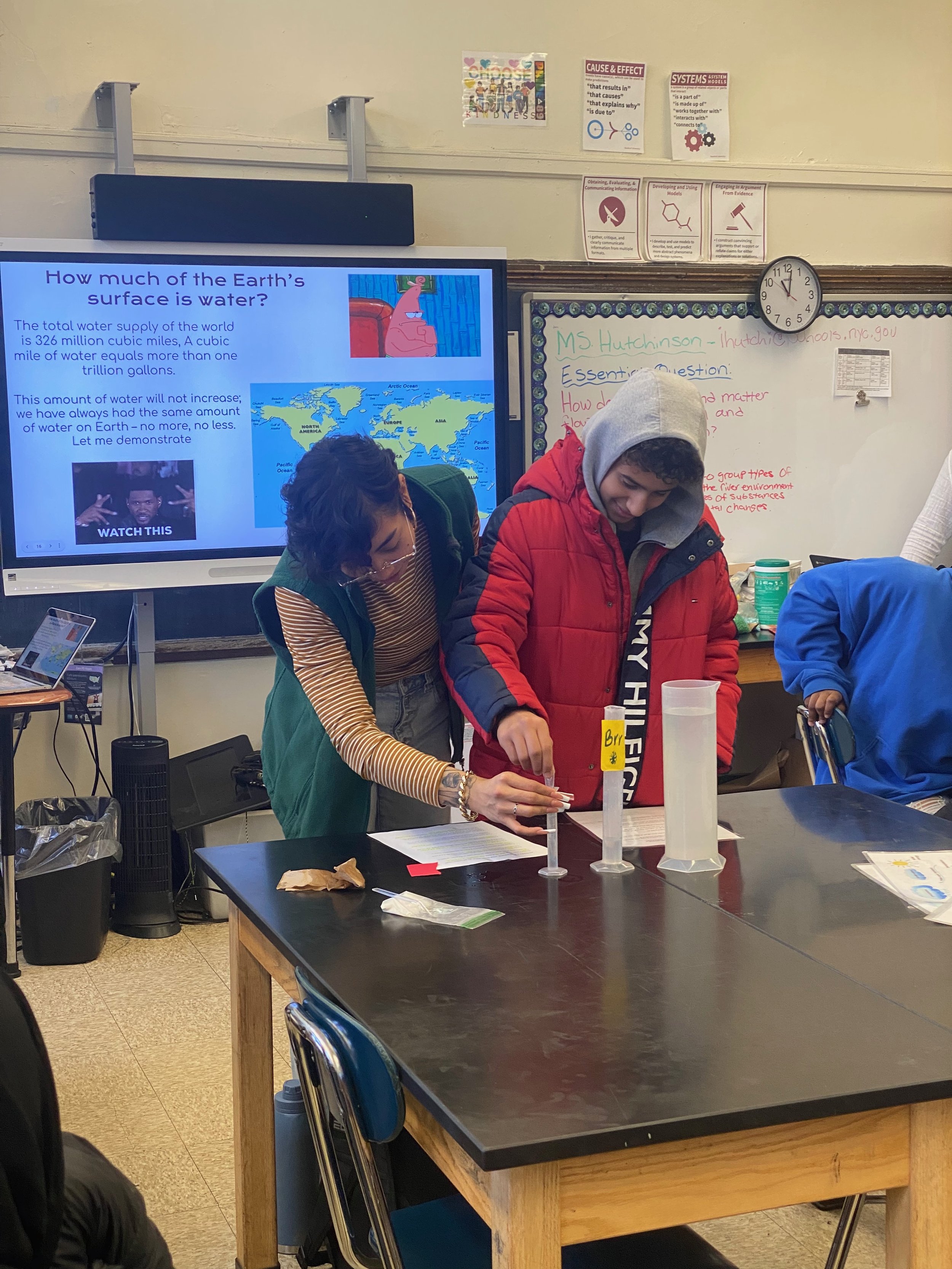
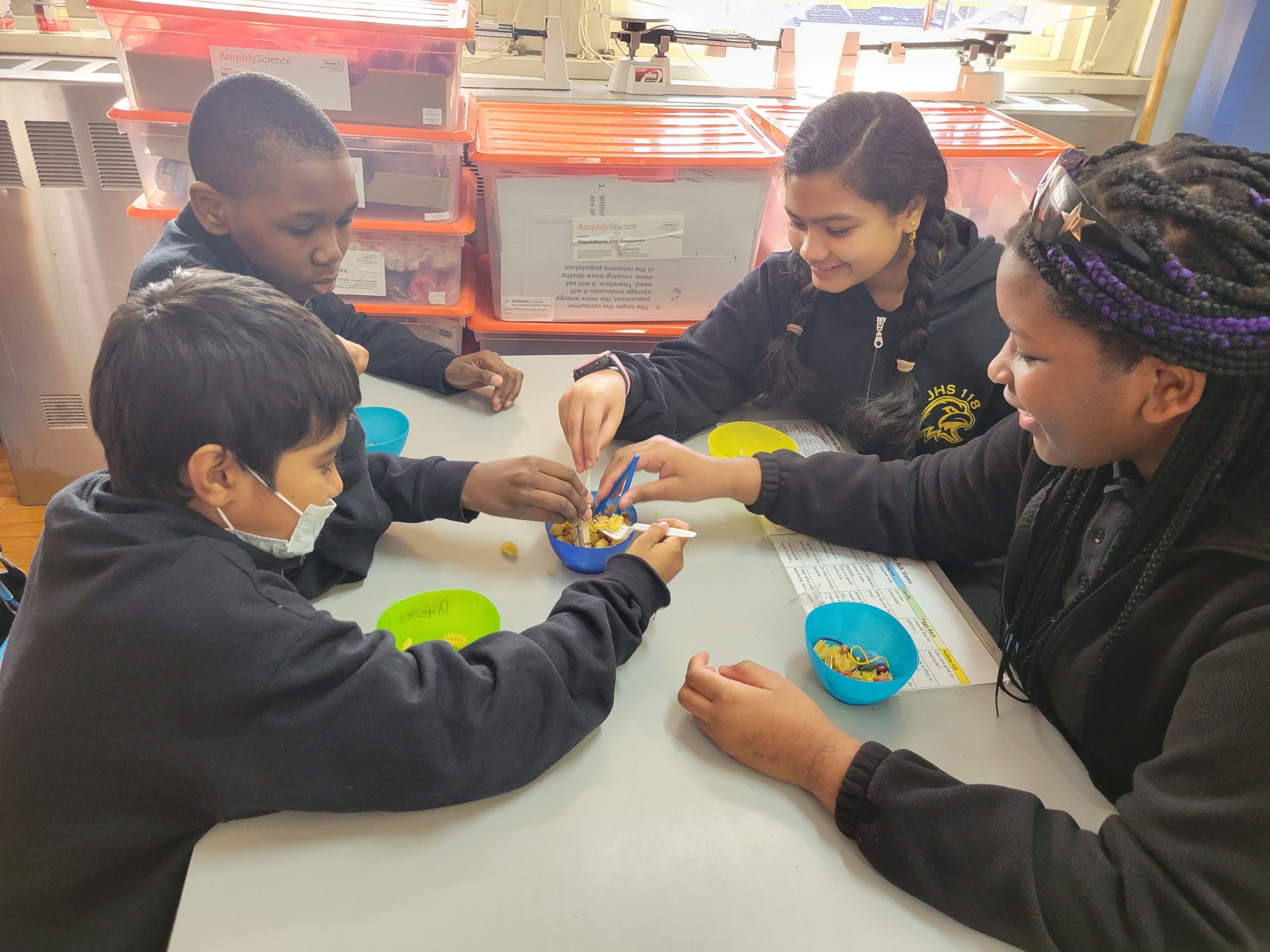
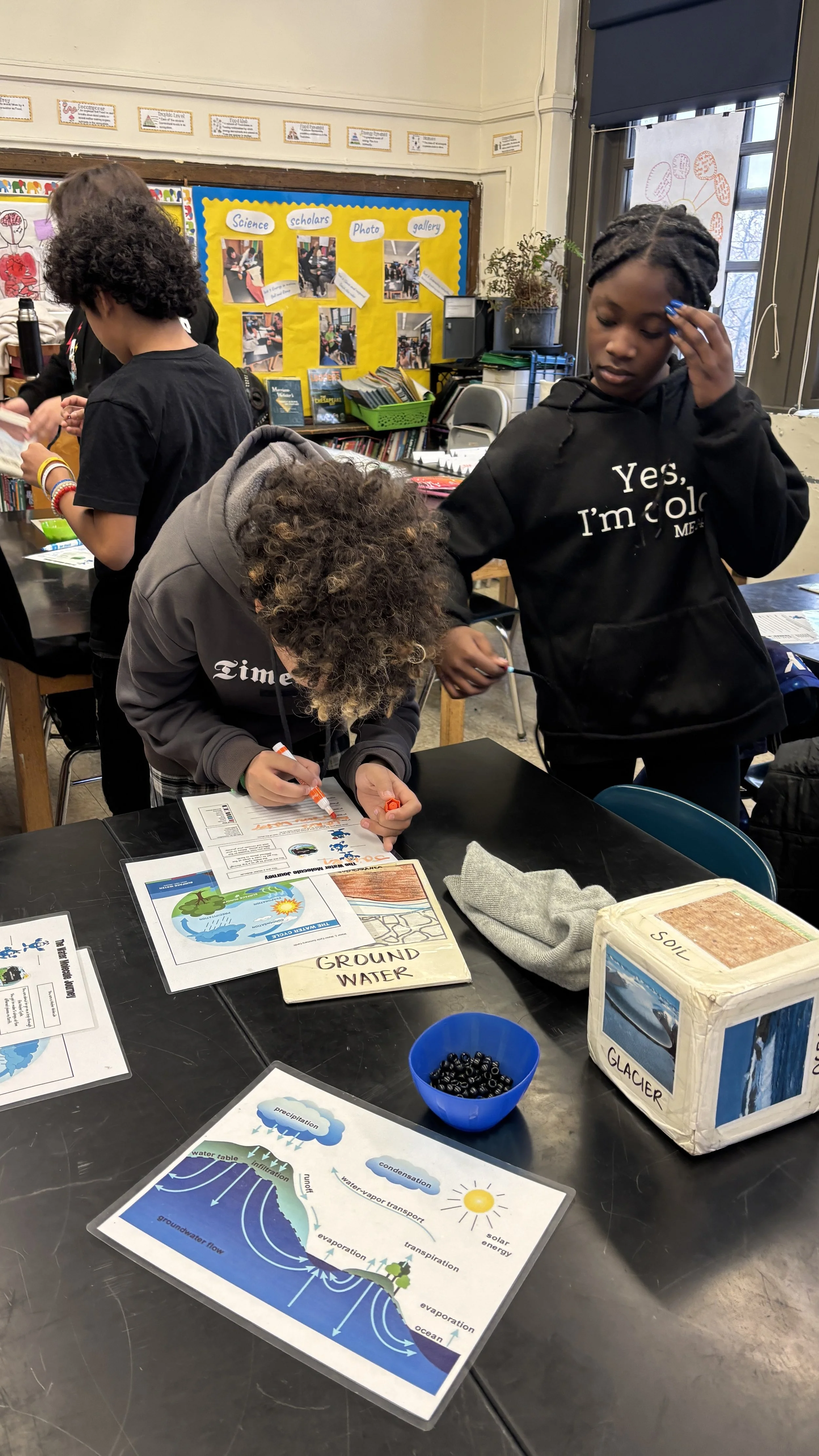
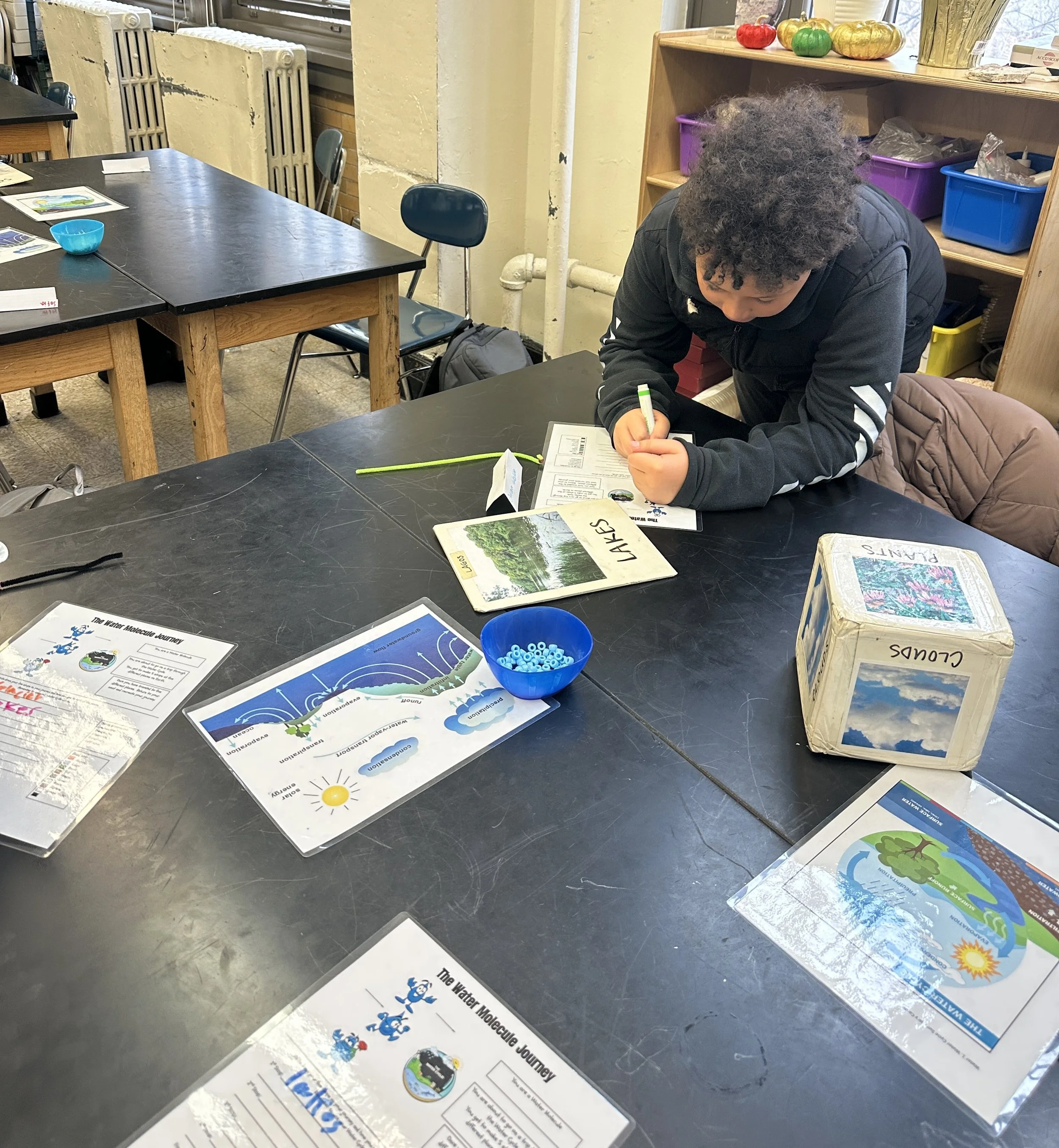
This first lesson begins with a review of the water cycle to set-up a foundational understanding of how water moves throughout Earth. To solidify this concept, students simulate the journey of a water molecule through the hydrosphere by rotating between various stations representing various parts of the hydrosphere. At each station they gather beads which represent the station they visited while recording how they moved through different phases of matter. The lesson concludes with a demonstration of how much water is saline, frozen, underground, and available at the surface. A major take away of this lesson is that although water is abundant and renewable, clean surface water is limited and must be conserved.
-
![]()
Water II: Watersheds and Drinking Water
This second lesson introduces students to New York City’s drinking water supply and the nine reservoirs that constitute it. Students then learn about ridgelines, reservoirs, and watersheds. Afterwards, they create model watersheds to observe how topography affects the flow of water on land and how all lands are a part of a connected watershed. To conclude, students enjoy a custom board game that allows them to experience through gameplay the various ways water is conserved or contaminated
-
![]()
Water III: Wastewater and Permeability
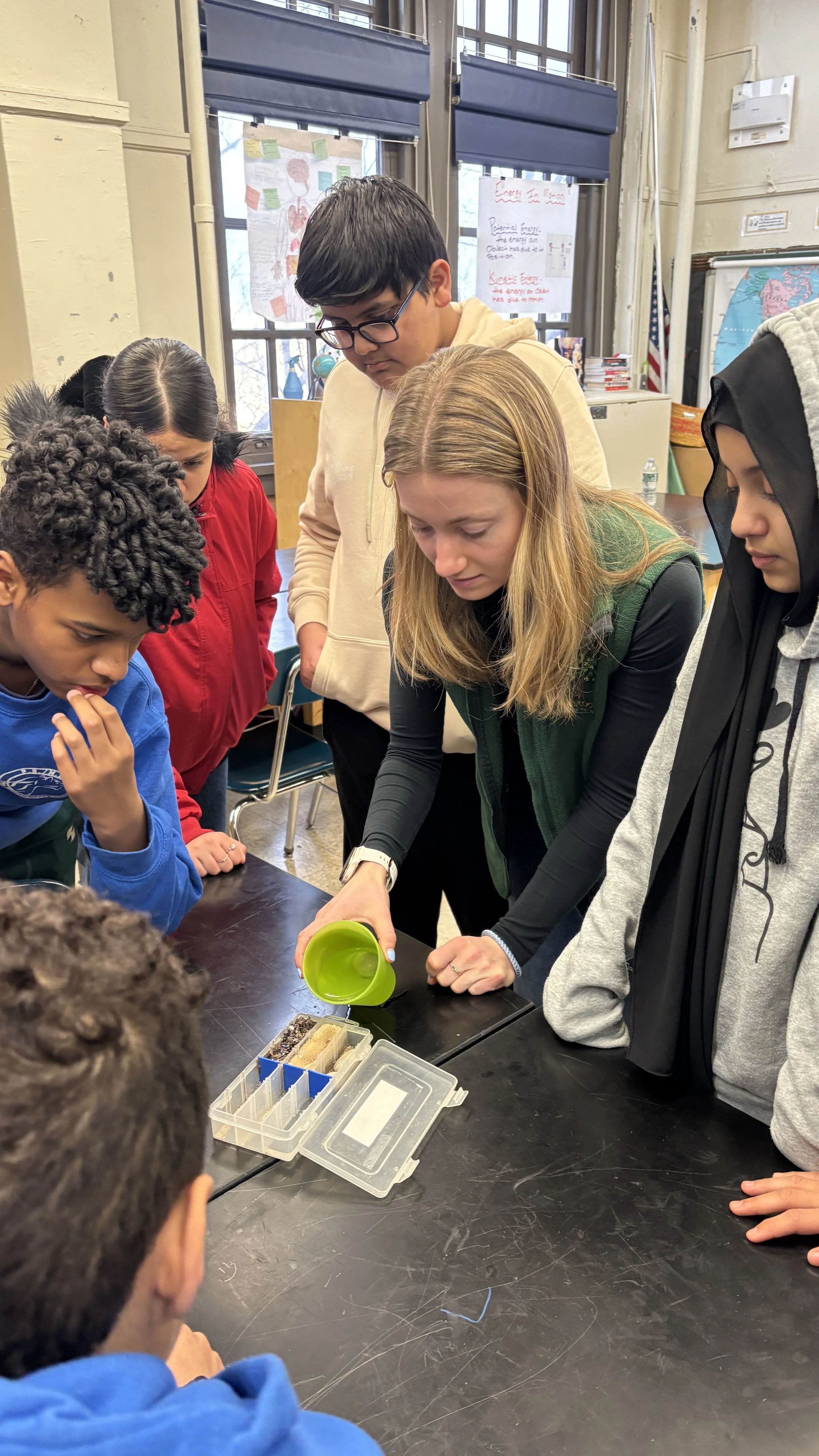
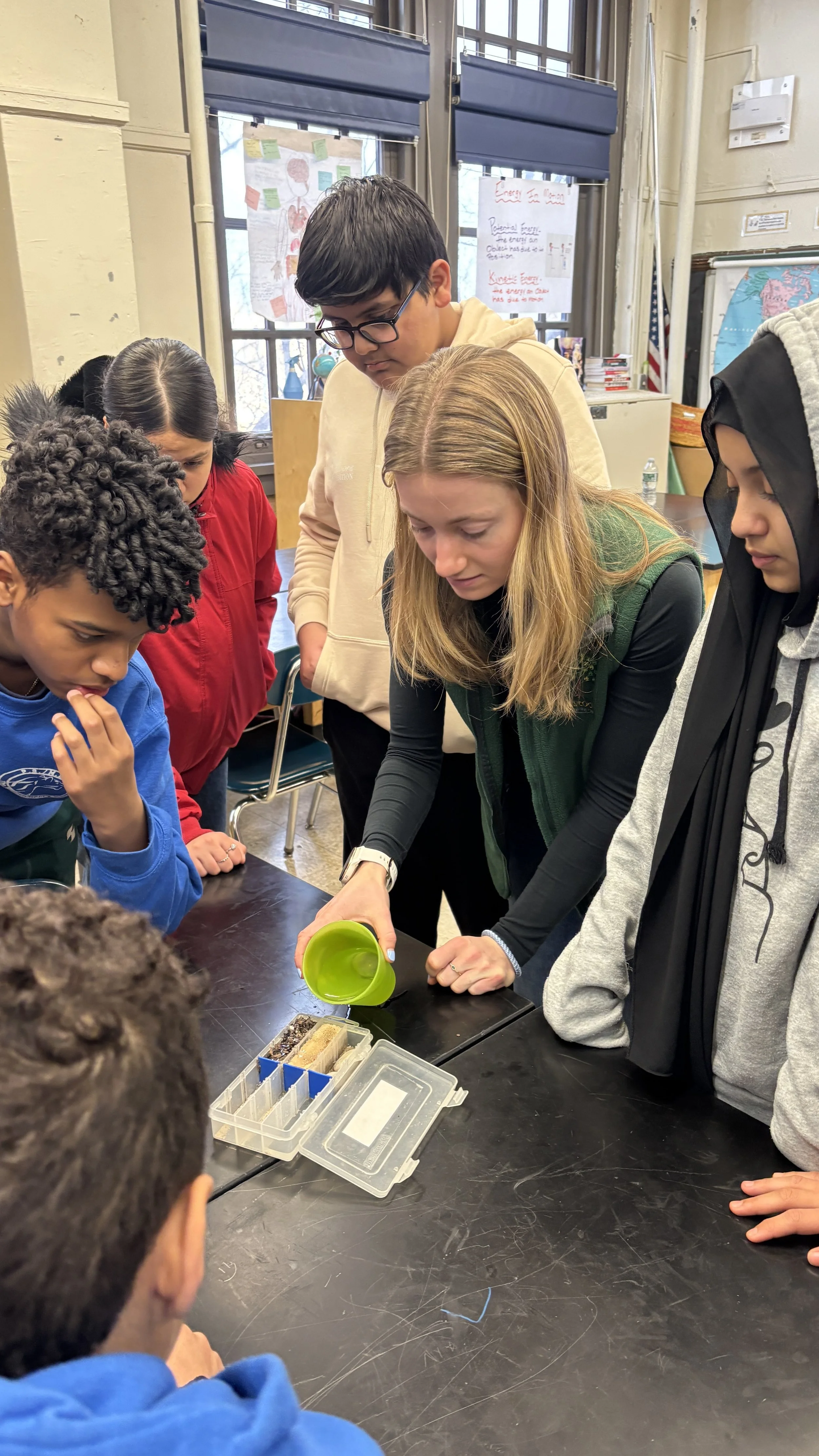
This third lesson introduces students to New York City’s massive storm and wastewater management systems- Combined Sewer Overflows (CSOs). Students learn how municipal waste water travels from homes to the sewer system and eventually into our water ways. Students then do an activity where they chronicle the journey of a floatable, piece of trash that travels from New York City and out into the ocean. The lesson concludes with an experiment where students test various types of sediment to see if they are permeable. This final activity prompts a discussion on how New York City’s impermeable surfaces influence the volume of water that enters CSOs.
-
![]()
Water IV: Water Management
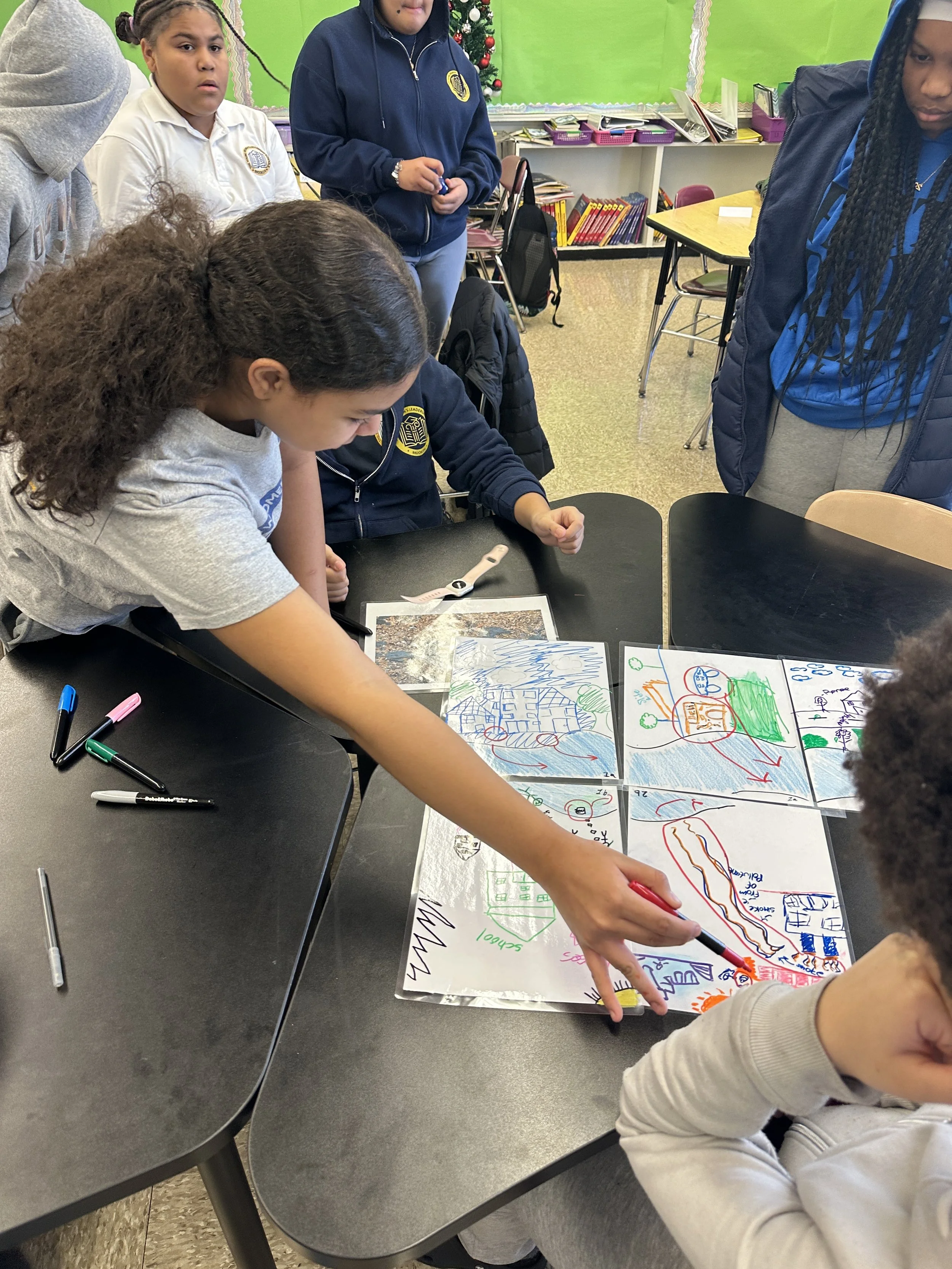
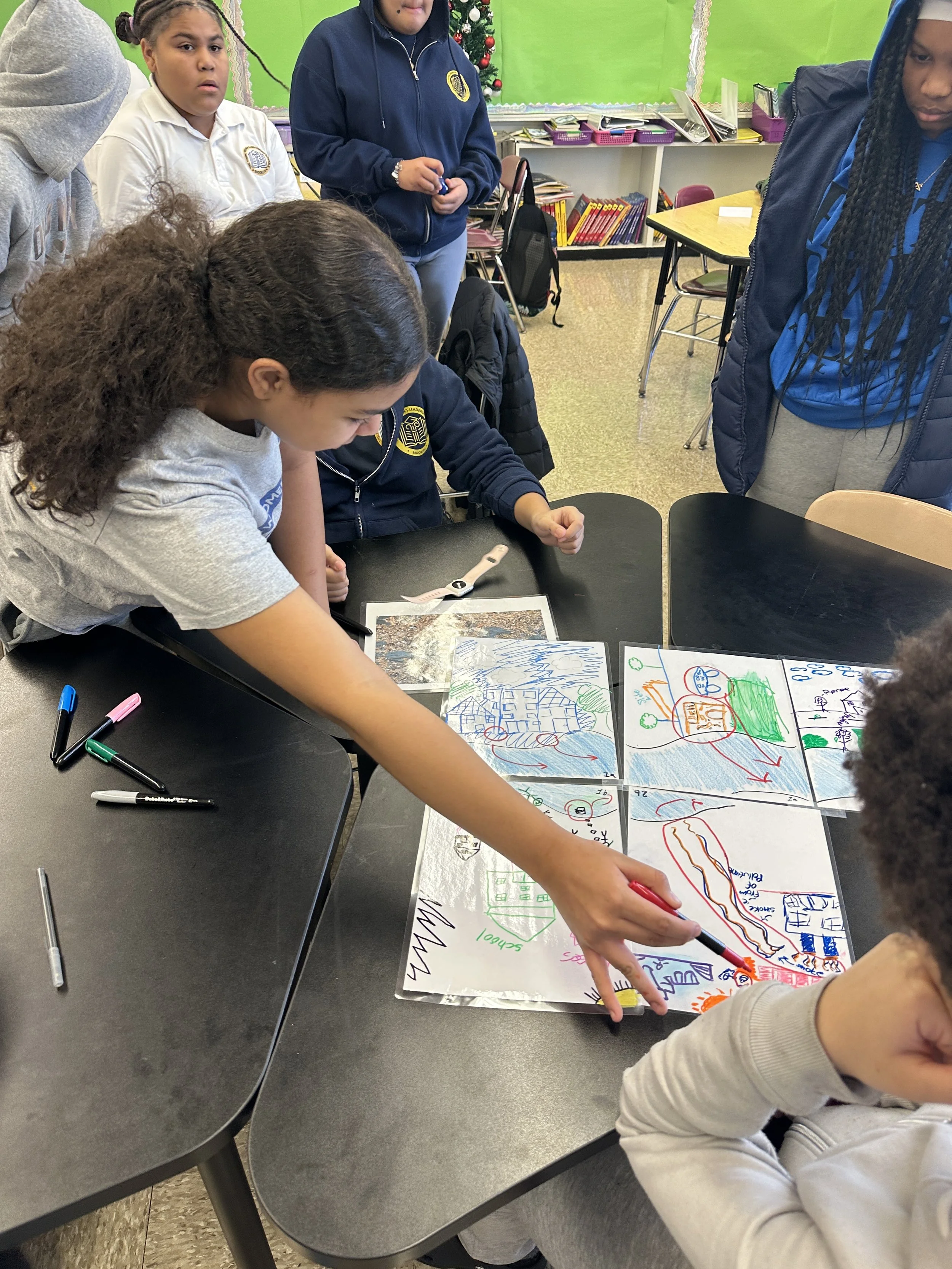
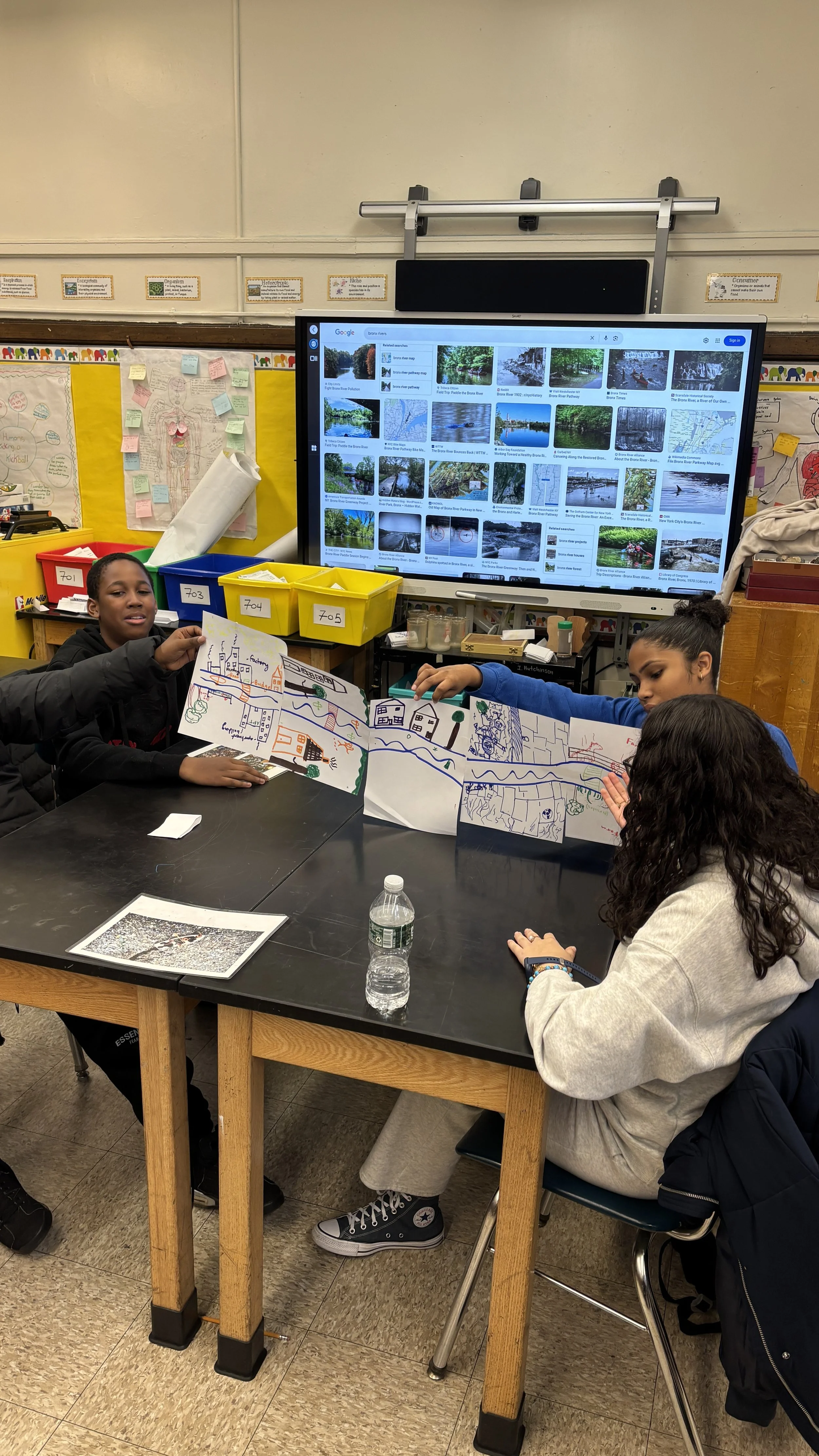
The fourth lesson is primarily centered on point-source and non-point source pollution and impacts it has on freshwater ecosystems and people. The main activity of the lesson calls on students to utilize their art skills. In small groups, students design their own parcel of land that includes one part of a larger river. After the design phase, students will examine their groups’ drawings to identify potential sources of pollution that may be generated. At the end, all small groups combine their drawings to see their combined impact on the river; driving home the point that land management is an important and collaborative aspect of protecting rivers.
-
![]()
Water V: Ocean Conservation
This fifth and final lesson pans from freshwater to salt water, introducing students to a pervasive and global environmental issue- marine plastic pollution. To start, students will collectively brainstorm all of the negative effects of marine plastic pollution and will learn how the ocean is being impacted by it. The main activity of this lesson is a class-wide, story-based simulation of ocean pollution. Each student acts as a character in the story, adding and removing various items that represent pollutants, based on real-world events. The lesson concludes with a creative poster-making activity for students to raise school awareness of marine plastic pollution.
What Teachers and Students Say:
“The Winter Ecology Program is the keystone in our success, as we encourage children to realize the critical importance of environmental conservation.”
“Christodora changed my understanding of nature in NYC because it made me realize i’m apart of an ecosystem.”
Sample in-person WEP curricula:
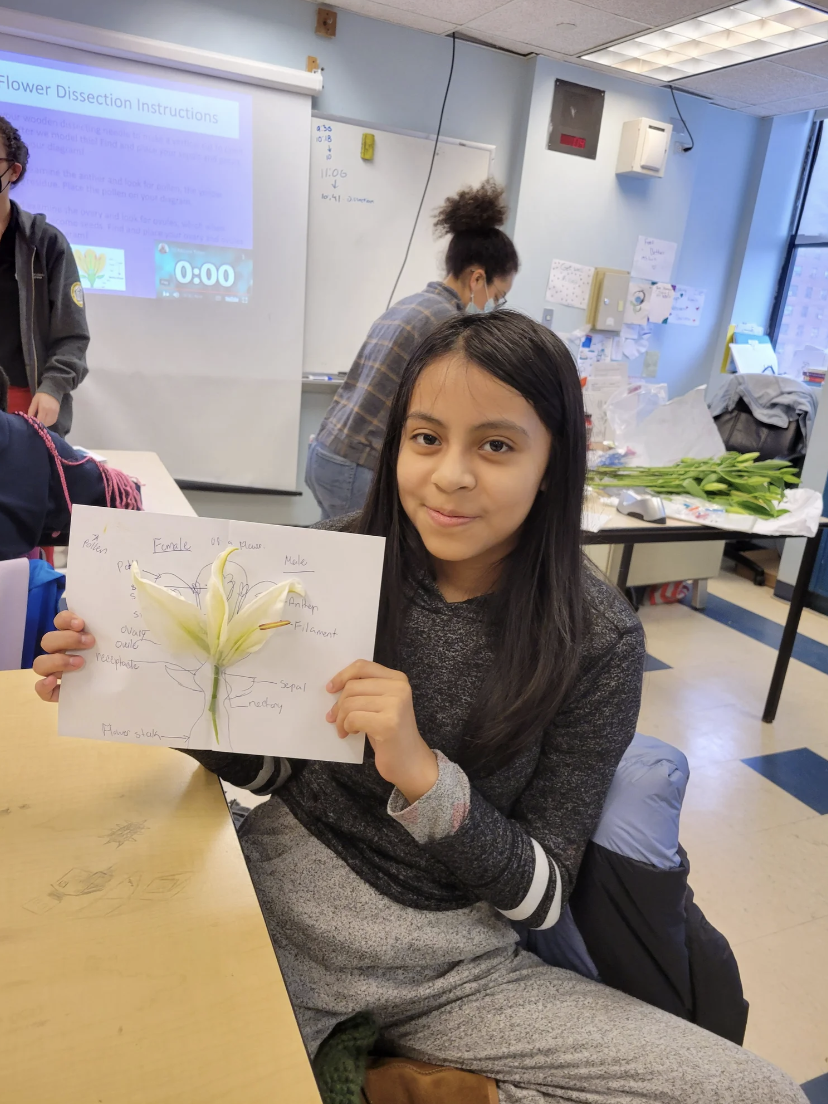
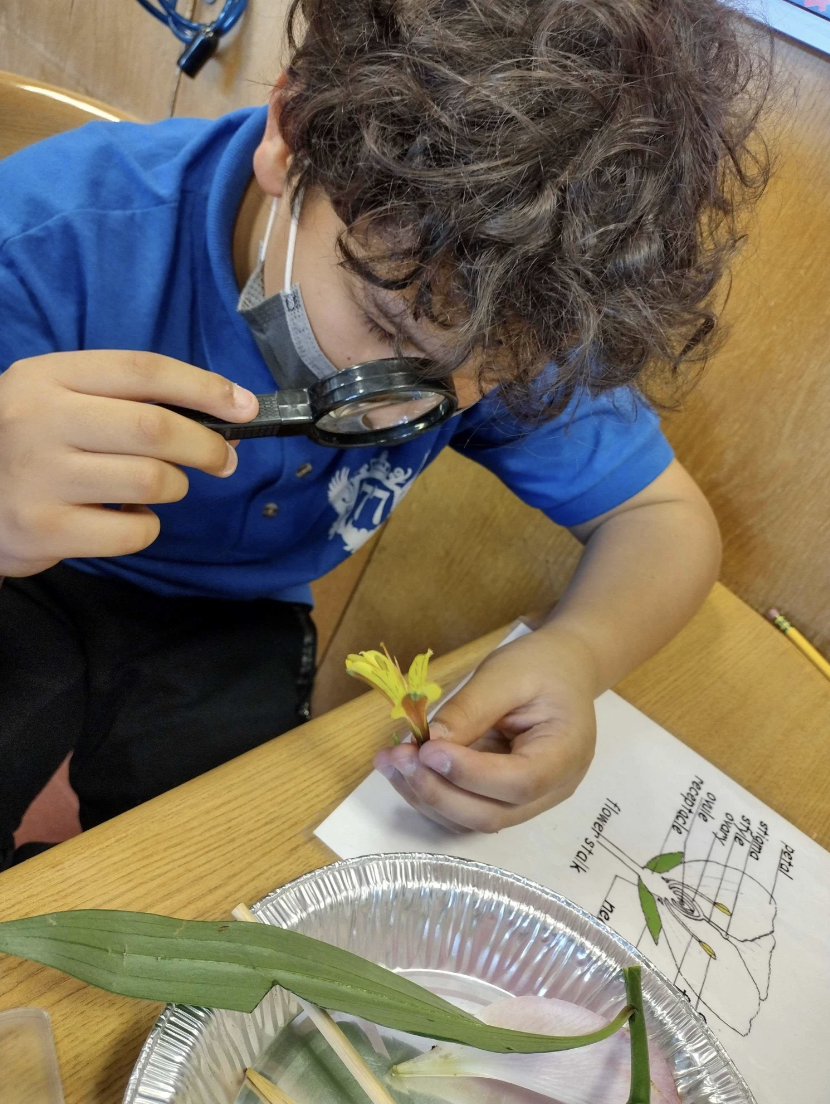
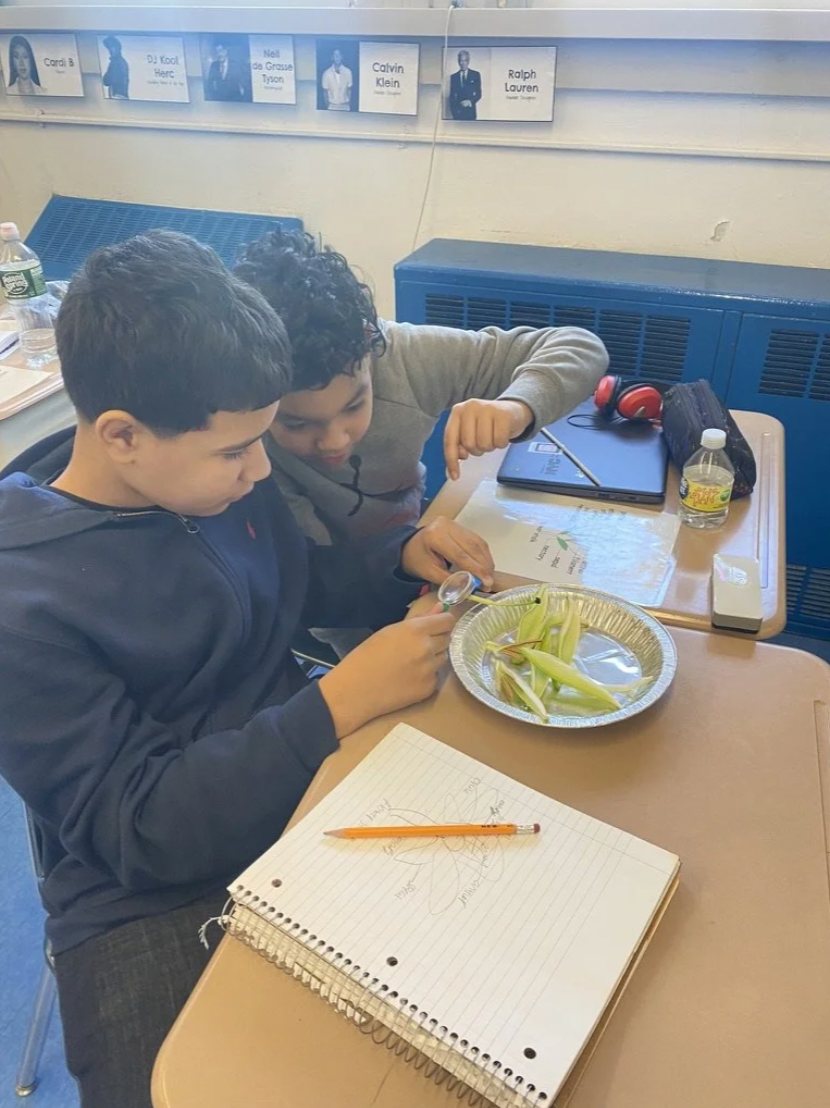
Flower Dissection: Explore the anatomy of flowers and discover the importance of flowers and pollinators in our ecosystems!
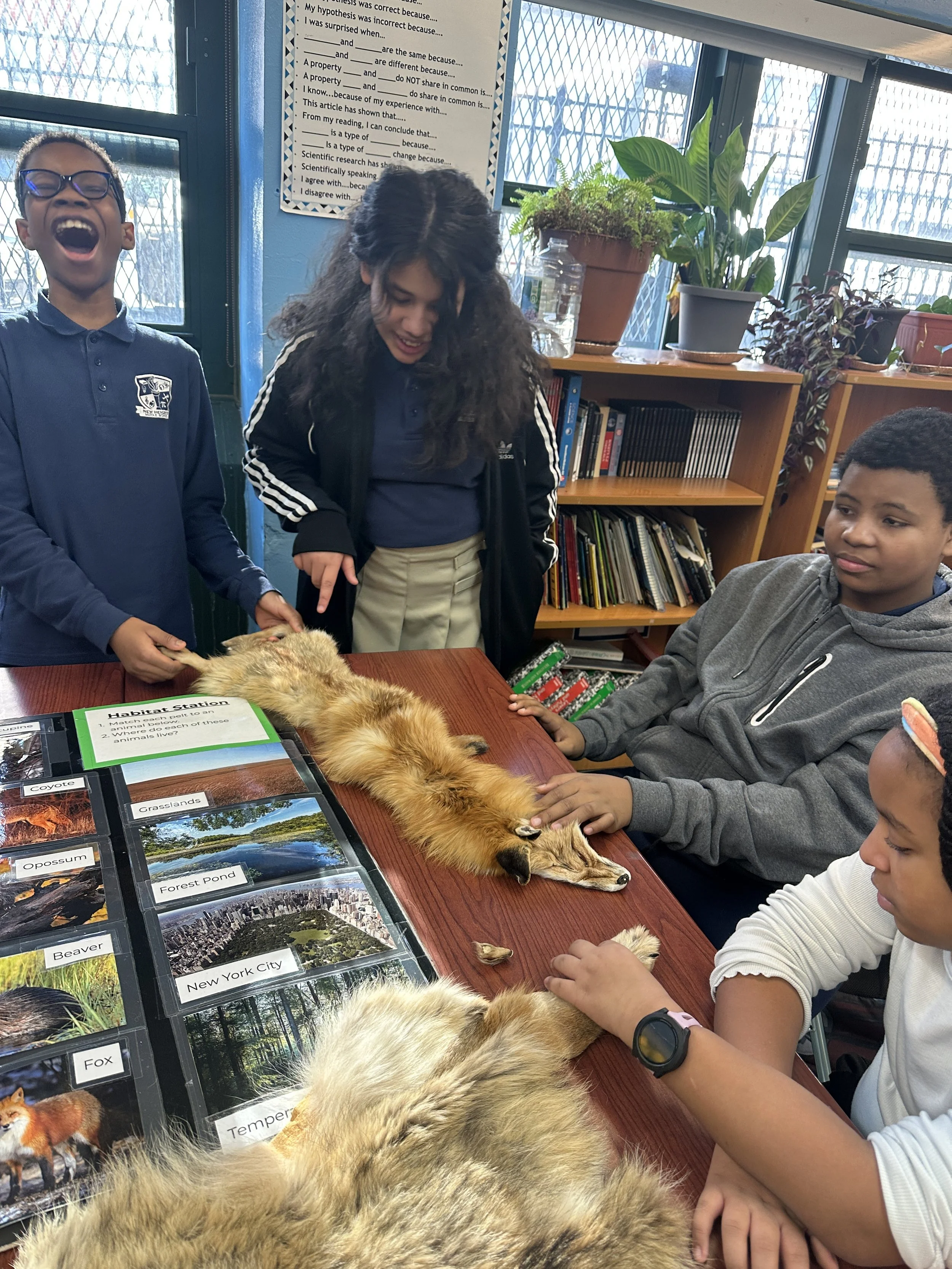
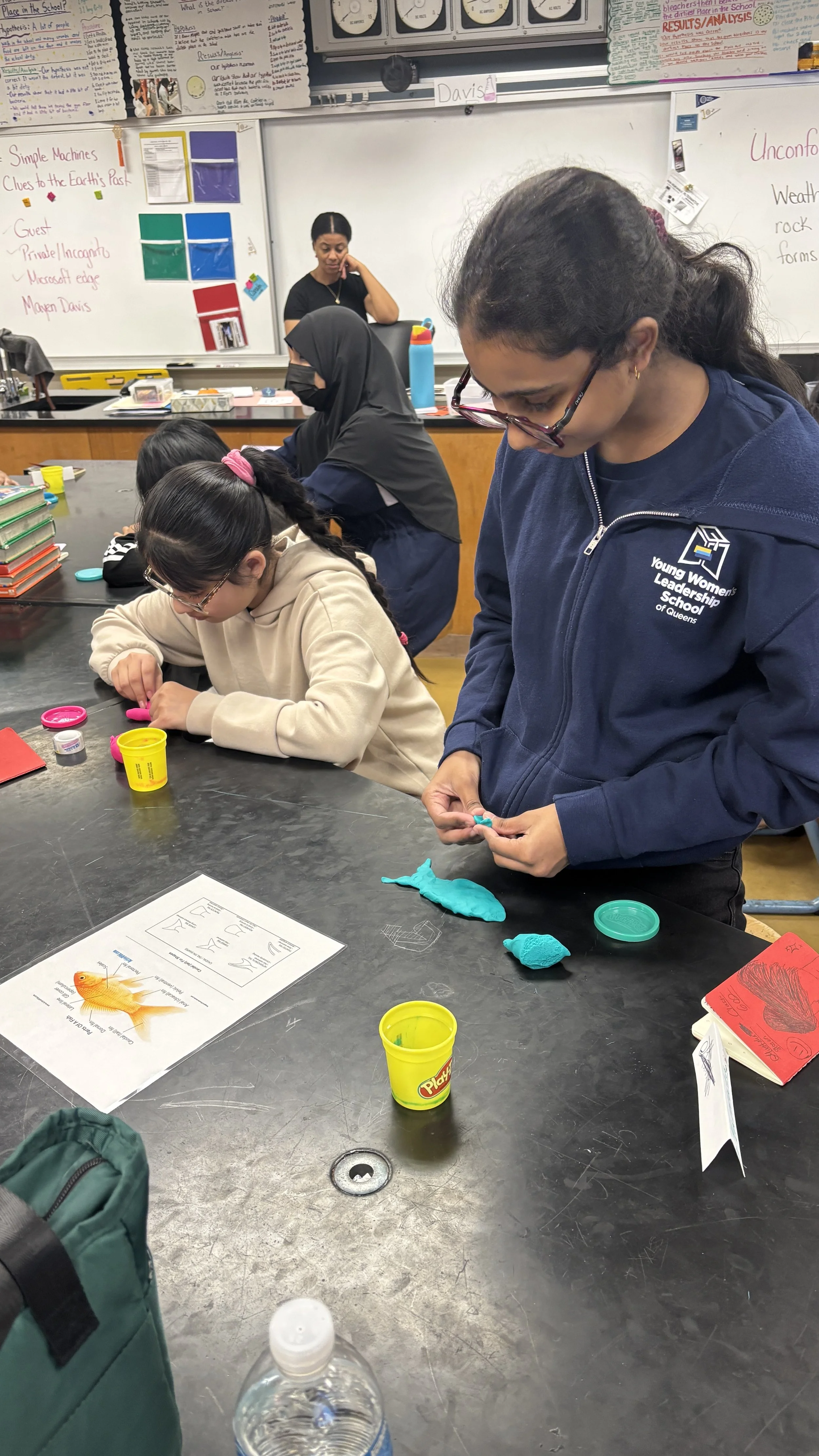
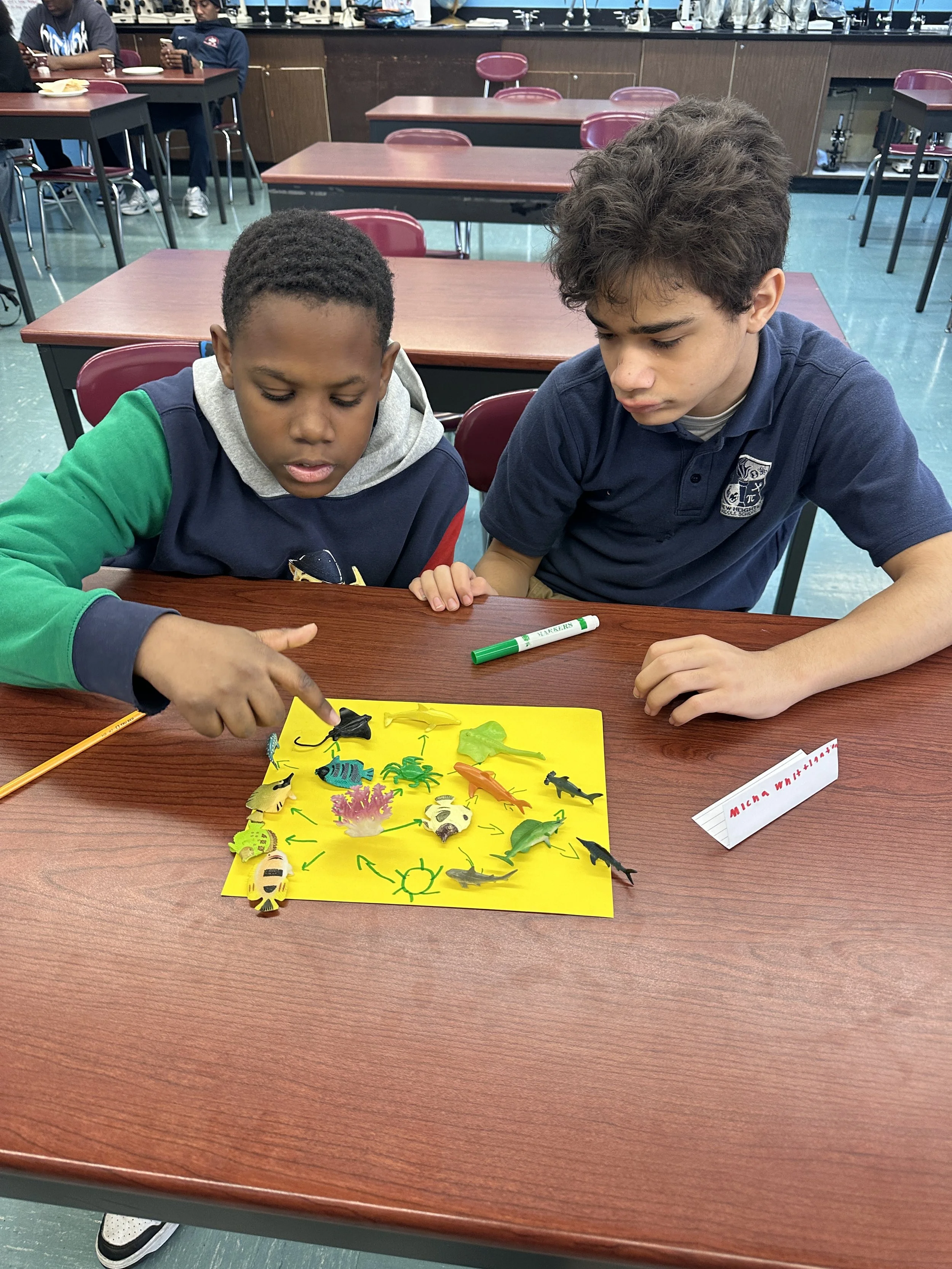
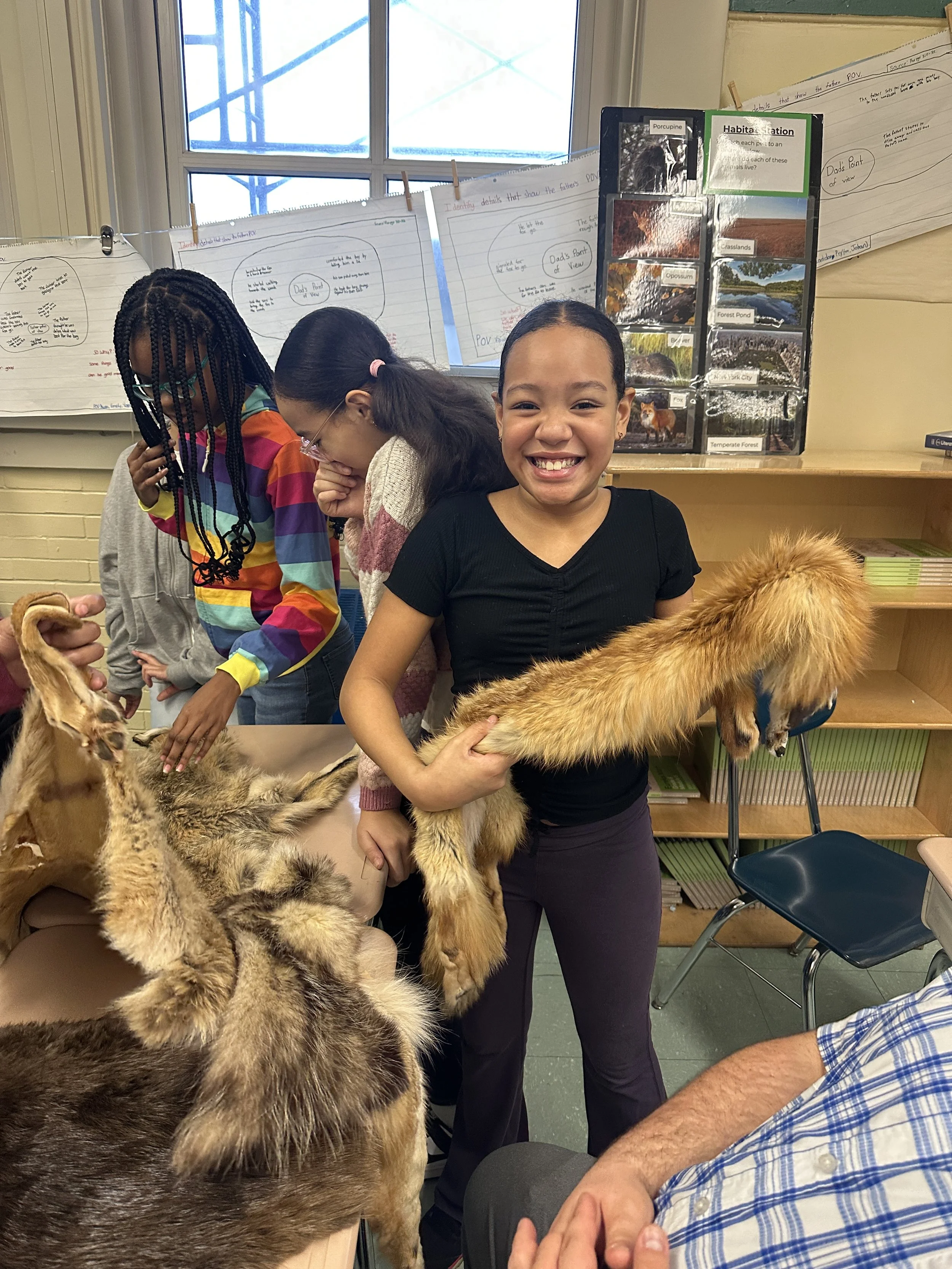
Physical Adaptations: Engage your senses and examine how the physical adaptations of wildlife help them survive, reproduce and fulfill their niches!
Sewer-sheds and Wastewater: Discover how NYC is part of a watershed and why everyday conservation practices are important to our local rivers and to the ocean.
We are grateful for the support of the Lily Auchincloss Foundation for this program.